Recent studies have shown that the effects of saffron are comparable to standard antidepressant treatment. [1]
A daily dose of 30mg of saffron is as effective as 20mg of fluoxetine in reducing depressive symptoms.
Saffron increases dopamine in the brain without changing hormone levels. In Chinese medicine it falls into the neutral category where it doesn’t add too much yin or yang to the body, it brings balance. It lifts the spirit and calms anxiety.
Sertraline is one of the top 10 commonly prescribed drugs in the UK for depression. [2] The side effect profile of SSRI’s include reduction of libido, nausea, mood changes and headaches. One of the benefits of taking saffron is that this side-effect profile is eliminated, specifically it does not have the negative profile of reducing libido.
Other benefits include:
- Antioxidant effects : Studies have shown Saffron to reduce oxidative stress, which is sometimes seen in conditions like endometriosis, and male fertility when DNA fragmentation is high.
- Boosts mood
- Improve cognition and function
- Improves sexual function
- Anti-inflammatory effects
- Weight loss effects: helps to manage blood glucose levels
- Regulating blood pressure
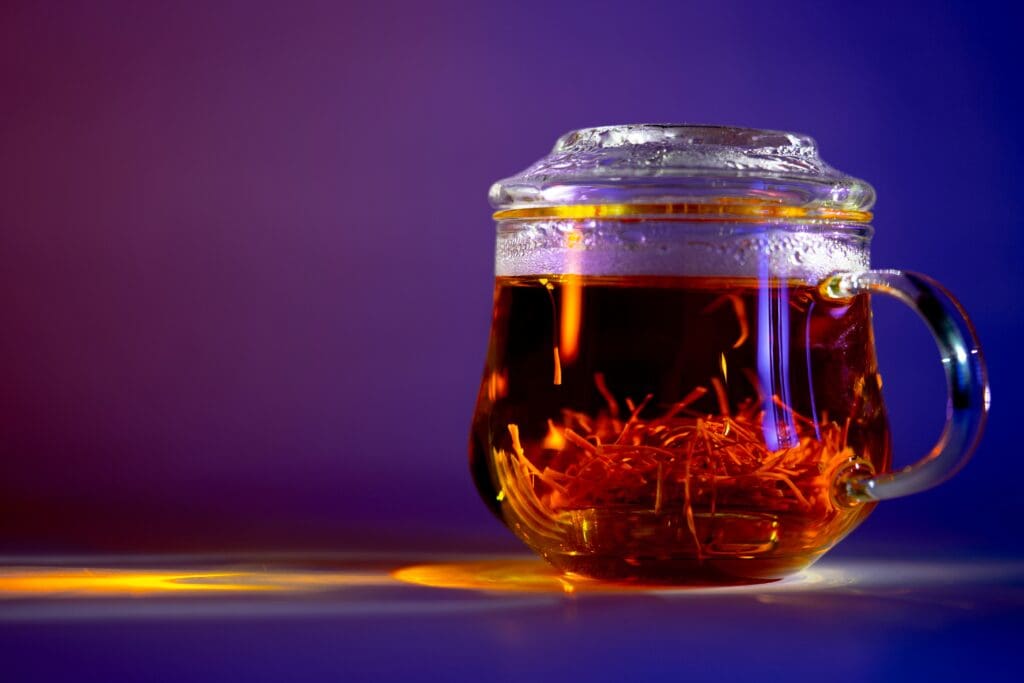
Golden threads
Although saffron is not a specific herb to Chinese medicine, it was possibly brought to China from South East Asia or India through the silk roads. It was first mentioned in the Chinese medical text “Shennong’s Great Herbal” in 200-300 BC.
“Fan Hong Hua”, called “Red Tibetan flower”. It falls into the category of herbs that invigorate the blood.
Usage: It can be used to dispel blood stasis, treating amenorrhea (absent period), menorrhagia (heavy bleeding) and painful periods. It also cools the blood and calms the mind. When being used for mood and depression, we can see that in Chinese medicine our blood carries our spirit and emotions, if the blood is stagnated it can lead to frustration, irritability and low mood. Therefore saffron would be used to treat signs of low mood, PMS, acne, heavy bleeding or absent periods.
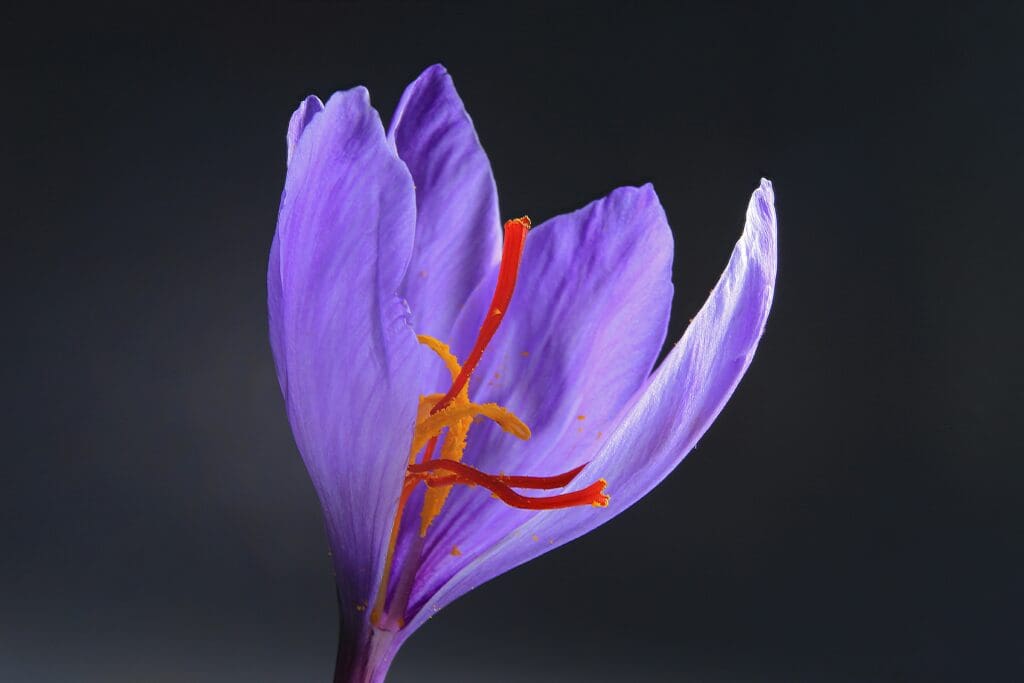
Endometriosis
Research has found that the anti-inflammatory properties of saffron can help in managing endometriosis. [3] Saffron inhibits the growth of endometriosis lesions and limits the productions of inflammatory cytokines. Due to most cases of endometriosis having stagnated blood, we can see how through saffron moving the blood it will have an anti-inflammatory effect on the body. Many women with endometriosis also suffer with low mood and lack of sleep from the debilitating symptoms they experience each month. Saffron can greatly enhance mood and ease anxiety.
Male erectile dysfunction
Research also shows saffron has a positive effect on males suffering with ED. [4] For males on the fertility journey this can be an issue when pressure comes around the ovulation window of the menstrual cycle.
Sleep
Saffron also shows positive effects on sleep. In TCM sleep is dependent on the smooth flow of Qi and Blood, the Shen (our spirit) returns to the heart at night to rest. One of the actions of saffron is to clear excess heat and invigorate the blood, removing stagnation from the channels and promoting a smooth flow of energy around the blood and heart system. In ancient China it was highly valuable and reserved for those who experienced “heart shock” which would be seen today as an emotional shock even PTSD.
Cultivating your own inner golden light
In western herbalism Culpeper called it “The herb of the sun” or “the lion herb” because it strengthened the heart. In TCM it enters the heart and liver channels.
In botanical astrology the bright yellow, gold colour is associated with the planet Jupiter, yellow uplifts the spirit, promotes inner radiance and prosperity.
References
- https://pmc.ncbi.nlm.nih.gov/articles/PMC11426294/
- https://www.surreyphysio.co.uk/top-5/The20MostPrescribedDrugsintheUKin2025.php#:~:text=Which%20Drugs%20Are%20Prescribed%20the,Following%20closely%20are:
- https://www.sciencedirect.com/science/article/abs/pii/S0753332218338988
- https://pubmed.ncbi.nlm.nih.gov/19427775/


leave a comment